Wat Phra Kaew: Bangkok's Temple of the Emerald Buddha, History and Visitor Tips
Wat Phra Kaew, officially Wat Phra Si Rattana Satsadaram, is the royal temple inside the Grand Palace that houses the Emerald Buddha. Here's its history and what to know before you visit.
 Meeting Point Management Team
Published · Updated
4 min read
1,131 views
Quick answer
Wat Phra Kaew (Wat Phra Si Rattana Satsadaram) is the temple inside Bangkok's Grand Palace, built on the orders of King Rama I together with the palace in 1782. It houses the Emerald Buddha and has no resident monks. Visitors must dress modestly: no sleeveless tops, shorts or short skirts.
Key takeaways
- The royal temple of the Grand Palace, founded under King Rama I in 1782, with no resident monks
- Home to the Emerald Buddha (Phra Phuttha Maha Mani Rattana Patimakon)
- The Grand Palace covers about 152 rai with walls 1,910 m long in total
- Dress modestly: no sleeveless or crop tops, shorts or short skirts
- No drones, no photos in restricted areas and no littering
Contents
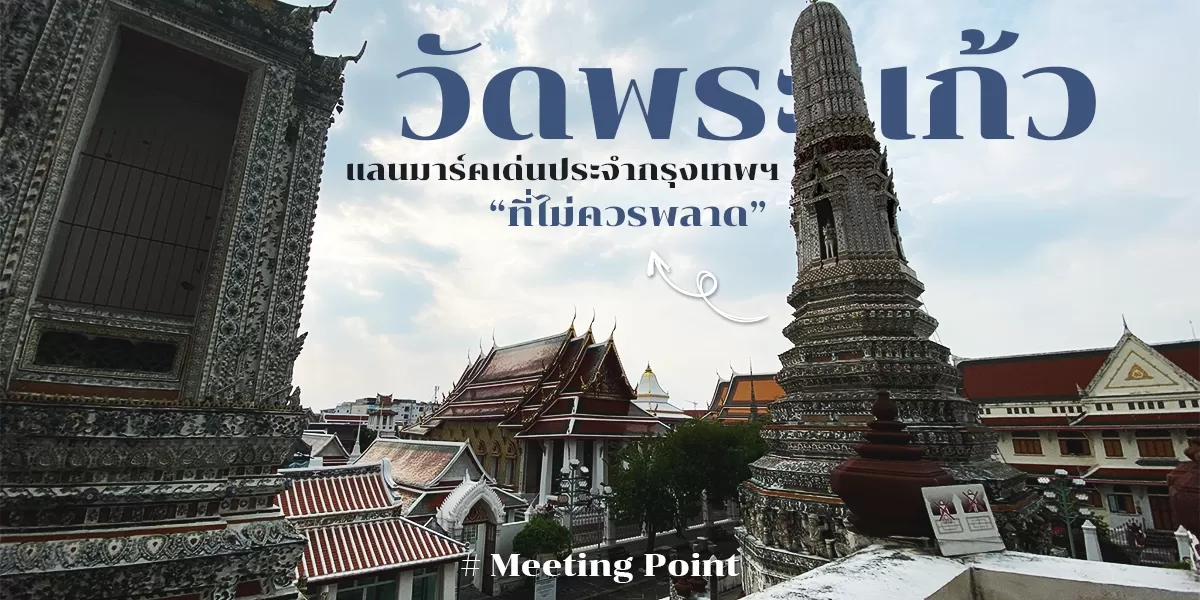
Wat Phra Kaew, or Wat Phra Si Rattana Satsadaram, is one of the nation's most important temples, a spiritual center for Thai people and a key symbol of Thai identity. Anyone visiting Bangkok will almost certainly stop here, and it never fails to impress, no matter how many times you come.

Wat Phra Kaew, or Wat Phra Si Rattana Satsadaram, is the royal temple of the Grand Palace of Rattanakosin, in other words Bangkok. King Rama I ordered it built at the same time as the Grand Palace. The temple lies in the outer court of the palace, on the eastern side, so there are no monks living here. In terms of importance, Wat Phra Kaew is similar to Wat Phra Si Sanphet in Phra Nakhon Si Ayutthaya, which was likewise the temple of the royal palace. Inside the ordination hall sits Phra Phuttha Maha Mani Rattana Patimakon, better known as the Emerald Buddha, the most revered Buddha image of Thailand.

History of Wat Phra Kaew and the Grand Palace
After King Phra Phutthayotfa Chulalok (Rama I) came to the throne in 1782 (B.E. 2325), he founded the Grand Palace. The ceremony to raise the City Pillar took place on Sunday, 21 April 1782 at 6:54 a.m., as inscribed on the City Pillar according to the traditional Thai lunar calendar. The palace stands on the east bank of the Chao Phraya River, opposite the former palace of Thonburi.

The Grand Palace covers an area of 152 rai 2 ngan (about 24 hectares), and its four walls run a total of 1,910 meters, with forts and gates all around. Inside, the palace is divided into four parts: the outer court, the middle court, the inner court and Wat Phra Si Rattana Satsadaram.
The legend of the Emerald Buddha
Phra Phuttha Maha Mani Rattana Patimakon, known to Thais as Phra Kaew Morakot or the Emerald Buddha, has long been regarded as the sacred guardian of the Thai nation. This is described in the Legend of the Emerald Buddha, written by King Mongkut (Rama IV) to be read by the royal scribe in the ordination hall of Wat Phra Si Rattana Satsadaram during the evening chanting of the Oath of Allegiance ceremony. It was printed in the complete edition of the Legend of the Emerald Buddha by Bannakhan Publishing (1961) and recounts the ceremonies held when the capital was founded under King Phra Phutthayotfa Chulalok. In essence, it says:
"...the Brahmins performed the coronation ceremony, the royal housewarming and the celebration of the temple and the whole city for three full days. The new capital was then given a name to match the name of the Buddha image: Krung Thep Maha Nakhon Amon Rattanakosin Mahinthara Ayutthaya Borom Ratchathani, because it is where this Maha Mani Rattana Patimakon is kept, as a source of glory for the two kings who built this city..."
This passage makes clear the status of the Emerald Buddha as the sacred guardian of Rattanakosin, which became the new center of government of Siam after Thonburi.

Dress code for visiting Wat Phra Kaew
You should dress modestly to show respect for the place. The following are not allowed:
- Sleeveless tops, crop tops and tight tops are strictly prohibited. If you have already worn one, put a long-sleeved top over it, or as a last resort buy a shirt from the vendors in front of the Grand Palace, starting at 100 baht.
- Shorts, meaning trousers that don't cover the knee, are tight-fitting or ripped, as they are considered disrespectful. Around Wat Phra Kaew you'll find plenty of long elephant-print trousers and other patterns for sale at 100-120 baht. Many visitors don't read up on the rules beforehand, which is why you see so many foreigners in elephant trousers every day.
- Short skirts, same as shorts. If you are wearing one, sarongs are also sold nearby.
- Off-shoulder Thai outfits. If you want to wear traditional Thai dress, choose a modest, covered style such as Thai Borompiman or Thai Chitralada.
Rules when visiting Wat Phra Kaew
- Do not enter unauthorized areas, which are marked with warning signs. The area is controlled, and flying drones over the Grand Palace is prohibited.
- Do not take photos in areas where photography is not allowed.
- Do not photograph the royal guards while they are marching in formation.
- Do not litter. Bins are provided at various points around the Grand Palace.
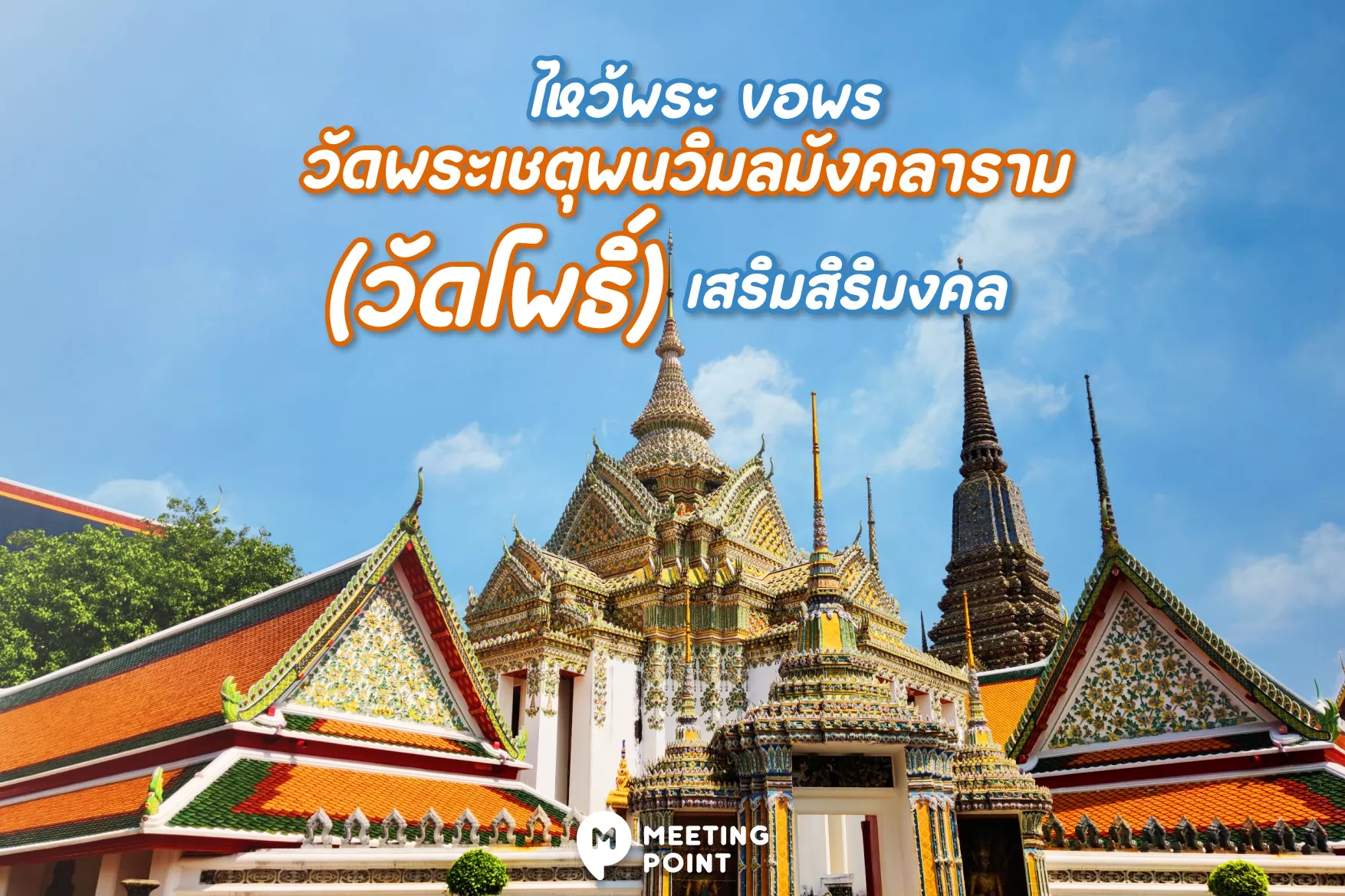
Now that you know Wat Phra Kaew a little better, you also know the rules for visiting. It's a great place to bring foreign friends to admire the beauty and stunning architecture of Bangkok. And if that's not enough, nearby you'll also find Wat Pho, Wat Arun (Wat Chaeng) and Wat Rakhang, where you can pay respects and make wishes too.
FAQ
What is the official name of Wat Phra Kaew?
Its official name is Wat Phra Si Rattana Satsadaram. It is the royal temple of the Grand Palace in Bangkok.
What is the dress code for Wat Phra Kaew?
Dress modestly. Sleeveless tops, crop tops, tight tops, shorts above the knee, short skirts and off-shoulder outfits are not allowed. Long shirts and trousers are sold nearby from about 100 baht.
When was Wat Phra Kaew built?
King Rama I ordered it built together with the Grand Palace after he came to the throne in 1782.
Can I fly a drone or take photos everywhere?
No. Drones are banned over the Grand Palace, and photography is not allowed in restricted areas or of the royal guards while they are marching.
The Meeting Point management team loves eating, travelling, temple visits and lifestyle. We pick the restaurants, cafes, stays, attractions and temples we have visited ourselves and write about them honestly.