Sian Pae Rong Si at Wat San Chao, Pathum Thani: Praying for Business and Wealth
Sian Pae Rong Si at Wat San Chao in Pathum Thani is a popular place to pray for good business, money and freedom from debt, and there's a riverside market for snacking afterward.
 Meeting Point Management Team
Published · Updated
4 min read
7,828 views
Quick answer
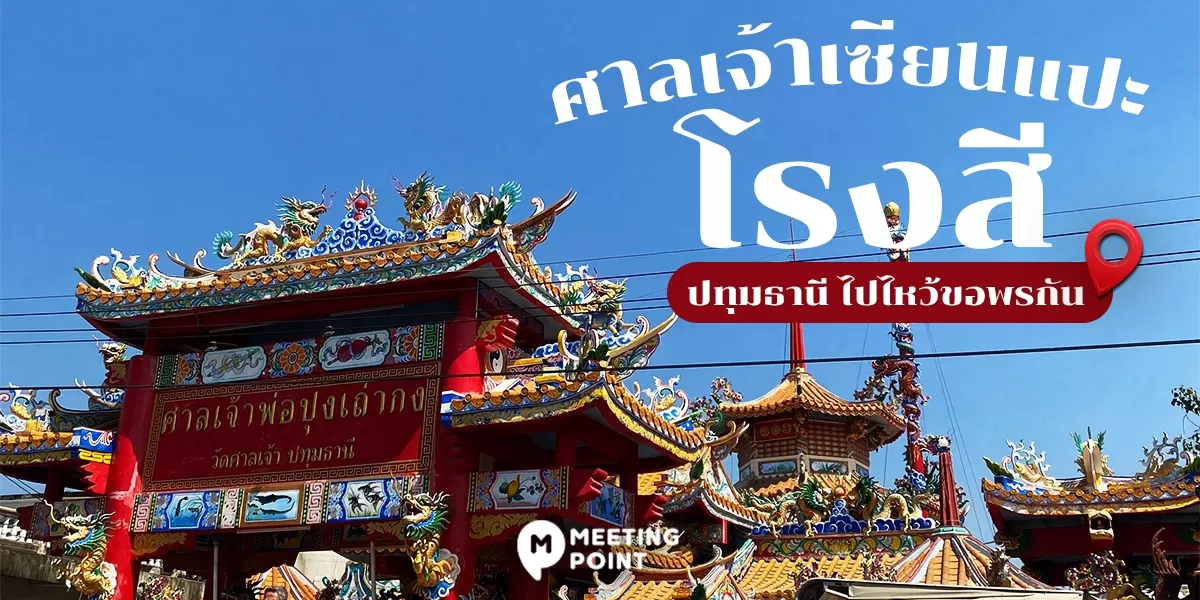
The Sian Pae Rong Si shrine is at Wat San Chao, 2/1 Moo 3, Soi Wat Makham, Tiwanon Road, Ban Klang, Mueang Pathum Thani. People come to pray for business success, money and clearing debts at the Thi Thong Siri Sian Pae pavilion. The Wat San Chao riverside market is right next door. Open 08:00-16:00.
Key takeaways
- Wat San Chao is an old temple on the Chao Phraya next to Wat Makham, said to date from late Ayutthaya
- Sian Pae Rong Si (Sian Pae Ngo Kim Khoi) was a devout Chinese rice trader skilled in face reading and feng shui
- People pray here for business, money and clearing debts
- Offerings: 5 oranges, 5 cups of tea, Chinese candied sweets and betel; the key day is the 5th day of Chinese New Year
- Don't miss the freshly made kanom kuichai at the riverside market
Contents
Today Meeting Point is introducing you to the story of Sian Pae Rong Si: who he was, where his shrine is and what people pray for. Crowds flock here to make wishes, and the shrine is in Pathum Thani. If you get the chance, stop by and make a wish.

If you like short trips near Bangkok, this one's for you. Today we're making merit and inviting good fortune at Wat San Chao in Pathum Thani. Besides praying to Sian Pae Rong Si for brisk trade, wealth and freedom from debt, you can also shop for Pathum Thani's local treats at the Wat San Chao riverside market. Merit for the soul and food for the stomach, all in one place.

History of Wat San Chao
Wat San Chao is in Ban Klang, Mueang Pathum Thani, and is one of the town's old temples. It sits next to Wat Makham, beside the Chao Phraya River and Khlong Chiang Rak. There's no firm evidence of its history, but legend has it that Wat San Chao was built in the late Ayutthaya period by Chao Noi Maha Phrom, son of a northern city ruler and a man of powerful occult knowledge.

It's said that he rafted down the Chao Phraya River until he reached Wat Makham, where he met Phra Achan Ru, a monk of Mon descent revered by the villagers. The two tested their powers against each other, and Chao Noi Maha Phrom came to deeply respect Phra Achan Ru's mystical knowledge. He asked to build a temple and a shrine here and named it Wat San Chao, probably from the "san" (shrine) built by "Chao" Noi Maha Phrom.
Inside Wat San Chao are several important sacred structures, including the ordination hall that Chao Noi Maha Phrom built in Phra Achan Ru's time. It was later restored as a Mon-style chedi ordination hall, which is rarely seen. There's also a Buddha image built by Chao Noi Maha Phrom, enshrined in the sermon hall.

Who was Sian Pae Rong Si?
When you come to the temple, don't miss praying for business success and debt relief at the Thi Thong Siri Sian Pae pavilion. Sian Pae Rong Si, also known as Sian Pae Kim Khoei or Sian Pae Ngo Kim Khoi, was a Chinese man who moved to Thailand. He was devout, kind-hearted and generous, and very hardworking. He started out trading paddy rice and later founded a rice mill (rong si).

Sian Pae Rong Si was also known for his meditative attainments and his skill in face reading and feng shui, and he helped with all kinds of work at Wat San Chao, from repairing the temple to organizing ceremonies. Many times, miracles were said to happen during the rituals, which earned him deep respect. He was believed to be a man of great merit and had many disciples. It's said that if you pray to him about work, money, business or trade, they will prosper.

How to hang the blessing talisman
If you've received the Fa Prathan Phon blessing talisman or Sian Pae Rong Si's debt-relief talisman to worship for good fortune, here's how to set it up:
- Inform the guardian spirit of the place before hanging the cloth talisman.
- Hang the talisman on the wall, facing the front of your shop or house.
- Place a pair of kim huay (peacock-feather-style incense holder ornaments) at the bottom center of the picture with 5 incense sticks (do not light them), and hang 1 plastic garland on the top of the frame. That's it. You can use a fresh flower garland instead if you prefer.
- Most importantly, don't forget to replace the kim huay, the 5 incense sticks and the plastic garland once a year.

Other offerings you can make every day
- 5 oranges
- 5 cups of tea
- 1 plate of tae liao (Chinese candied sweets, known in Thai as kanom chan ap)
- Betel nut and betel leaves
The most important day to worship is Chiu Ngo, the fifth day of Chinese New Year.

Wat San Chao riverside market: a hub of tasty food
This is a real hub of good food in Pathum Thani, with savory dishes and sweets. The one thing you can't miss is kanom kuichai (chive dumplings), which the vendors make fresh right in front of you.
If you get the chance, drop by. Everything in one place. Follow Meeting Point to see where we'll take you next time.
Wat San Chao, Pathum Thani
- Address: 2/1 Moo 3, Soi Wat Makham, Tiwanon Road, Ban Klang, Mueang Pathum Thani, Pathum Thani
- Map: https://goo.gl/maps/rn3HojLa5B7nB3J8A
- Hours: 08:00-16:00
- Facebook: Sian Pae Rong Si Shrine and the disciples of Chao Pho Wat San Chao
FAQ
Where is the Sian Pae Rong Si shrine?
It's at Wat San Chao, 2/1 Moo 3, Soi Wat Makham, Tiwanon Road, Ban Klang, Mueang Pathum Thani, Pathum Thani.
What do people pray to Sian Pae Rong Si for?
Mainly for success in trade and business, financial luck and getting out of debt.
What are the opening hours?
08:00-16:00.
What offerings are used?
Five oranges, five cups of tea, a plate of Chinese candied sweets (tae liao) and betel nut. The most important day to worship is the fifth day of Chinese New Year.
The Meeting Point management team loves eating, travelling, temple visits and lifestyle. We pick the restaurants, cafes, stays, attractions and temples we have visited ourselves and write about them honestly.